Michael Mathews

52 Posts
Texas Birders: Stop Taking ID Shots and Start Capturing Character & Personalities

Texas Birders: Stop Taking ID Shots and Start Capturing Character & Personalities

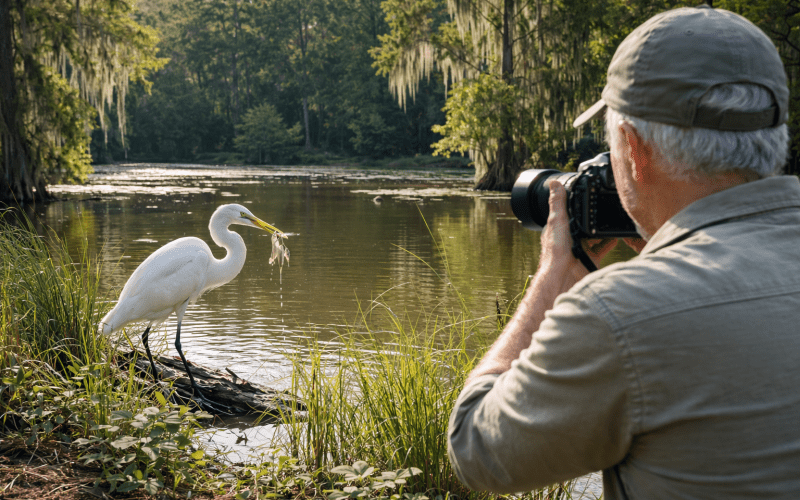
There is nothing wrong with a field guide shot. It is clean. It is sharp. It proves, beyond a reasonable doubt, that yes, that was in fact a Yellow-rumped Warbler and not “some kind of little brown job.” But if every bird photo we take looks like it belongs on page 47 of a laminated reference book, we are documenting feathers, not personality. And birds, despite their modest brains and questionable life choices during migration, absolutely have character. If we want to create bird photos that show their character rather than a clinical ID portrait, we must move from documentation…
Read More
Welcome, Mags – Our Latest Blogger

Welcome, Mags – Our Latest Blogger

Welcome to our latest blogger, Mags Holloway. Stealing from her words, here is her background story. Mags Holloway came to birding the long way around. She grew up in East Texas at the edge of a hay field and a creek that never dried up, even in August. Birds were just “there” when she was a kid, part of the scenery, like cicadas and the smell of warm dust. It wasn’t until college, during a summer job doing habitat surveys, that someone finally handed her a field guide and said, “You should probably learn their names.” That did it. She…
Read More
Beginner or Expert, Your Texas Birding Experience Matters—Write for Texas Birder

Beginner or Expert, Your Texas Birding Experience Matters—Write for Texas Birder

Texas is big. Really big. Big skies, big backyards, big wetlands, big migration days… and an even bigger supply of bird stories just waiting to be told. That’s where you come in. Texas Birder is actively looking for more bloggers who love birding in Texas and want to share their experiences, knowledge, photos, observations, or even the occasional “you won’t believe what I just saw” moment. If it involves birds, birding, nature, conservation, photography, gear, trips, or learning the ropes, it probably belongs here. Why Write for Texas Birder? Because your words won’t just drift into the internet void like…
Read More
Top Ten Best Places to Bird in Texas During September

Top Ten Best Places to Bird in Texas During September

September in Texas means two things: lingering summer heat and spectacular birding. As migration kicks into high gear, the Lone Star State becomes the ultimate crossroads for millions of birds heading south. I’ve been birding Texas for decades, and September is one of those months where you never leave the field without a story—and usually without a stiff neck from staring up at kettles of hawks. Here are my top ten best places to bird in Texas during September, based on years of binocular time, field notes, and the occasional sunburn. 1. Padre Island National Seashore (South Texas Coast) Padre…
Read More
Birding at Davis Mountains State Park in August: Cool Nights, Hot Days, and Surprising Birds

Birding at Davis Mountains State Park in August: Cool Nights, Hot Days, and Surprising Birds

Discover cooler summer birding at Davis Mountains State Park. Spot Acorn Woodpeckers, Scott’s Orioles, and more in scenic West Texas. If you’re looking for birding in West Texas that doesn’t leave you feeling like you’ve been broiled in a convection oven, put Davis Mountains State Park at the top of your August travel list. Perched at over 5,000 feet in elevation, this scenic park offers warm but tolerable summer days and cool, refreshing nights—perfect conditions for both people and birds. In August, the Davis Mountains are alive with bird activity, making it one of the best birding spots in Texas…
Read More
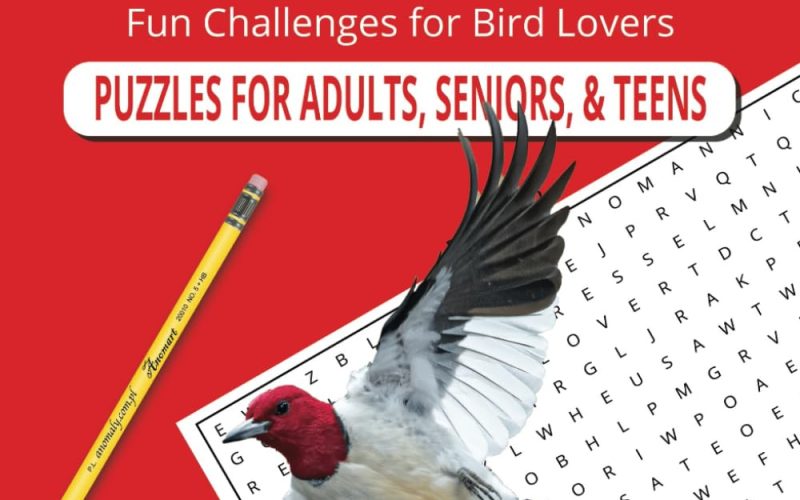
Birdwatching and Brain Games: The Joy of Bird-Themed Word Search Books

Birdwatching and Brain Games: The Joy of Bird-Themed Word Search Books

Birding and Word Searching: A Match Made in Feathered Heaven While birding is so much fun, it can also be a bit intense. Even the most die-hard birders need a break. A moment to sit down, relax, and not worry about missing that Lazali Bunting that everyone but you saw. Enter: Word Search Books — the underrated hero of quiet birding joy. Why Word Search Books Belong in Every Birder's Backpack Birding involves pattern recognition, quick observation, and the ability to concentrate. Word searches do the same thing, but with slightly less poison ivy. They're perfect for: Rainy days when…
Read More
What Are Feathered Doppelgangers?

What Are Feathered Doppelgangers?

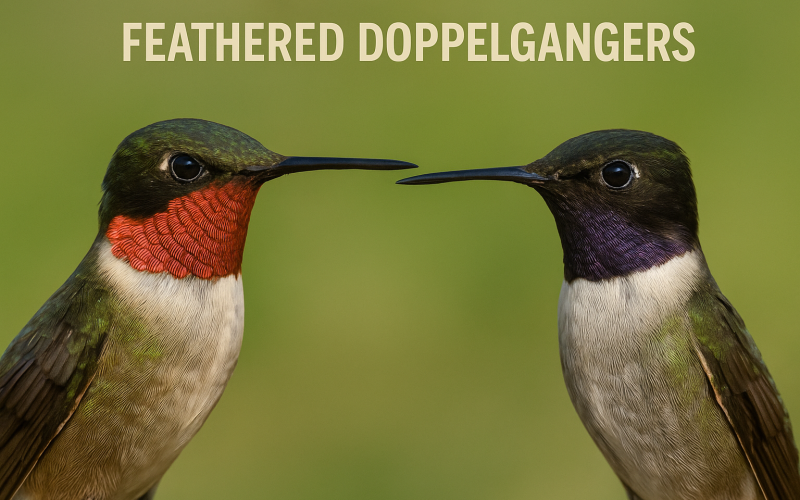
Introducing Feathered Doppelgängers! Is that a Downy Woodpecker? Or a Hairy Woodpecker?Did you just spot a Ruby-throated Hummingbird, or was that a Black-chinned? Birding is fun… until it gets confusing. That’s why we’re excited to launch Feathered Doppelgängers — a new series on texasbirders.com/ that helps you untangle the mysteries of look-alike birds. Each post features:✔️ Side-by-side comparisons✔️ Photo-quality and illustrated graphics Whether you're a new birder squinting at sparrows or a seasoned pro, this series is for you. Have a pair of birds that always mess with your mind? Drop it in the comments — we might feature your…
Read More
Ruby-throated Hummingbird Vs. Black-chinned Hummingbird IDs

Ruby-throated Hummingbird Vs. Black-chinned Hummingbird IDs

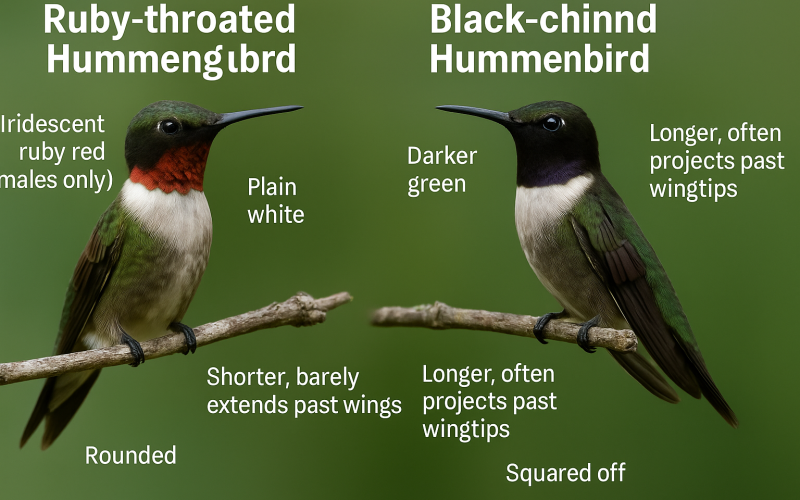
Ruby-throated vs. Black-chinned Hummingbird: Glitter Wars Field MarkRuby-throated HummingbirdBlack-chinned HummingbirdGorget (Throat Patch)Iridescent ruby red (males only), looks black in poor lightIridescent purple strip under black chin (males only)Throat (females)Plain white with faint streakingAlso white, but often with more fine gray streaksCrown ColorBright green crown and backDarker green crown, sometimes looks duskyTail (in flight)Tail is shorter, barely extends past wingsLonger tail, often projects past wingtipsTail Shape (perched)Tail ends are roundedTail looks more squared offCallSharp, quick “tik” or “chewt”Softer, more musical “tchew”Range (especially Texas)Migrates through all of Texas, common east of I-35Very common in Central & West Texas, rarer in East TXBehaviorFeisty,…
Read More
Downey vs. Hairy Woodpeckers IDs

Downey vs. Hairy Woodpeckers IDs

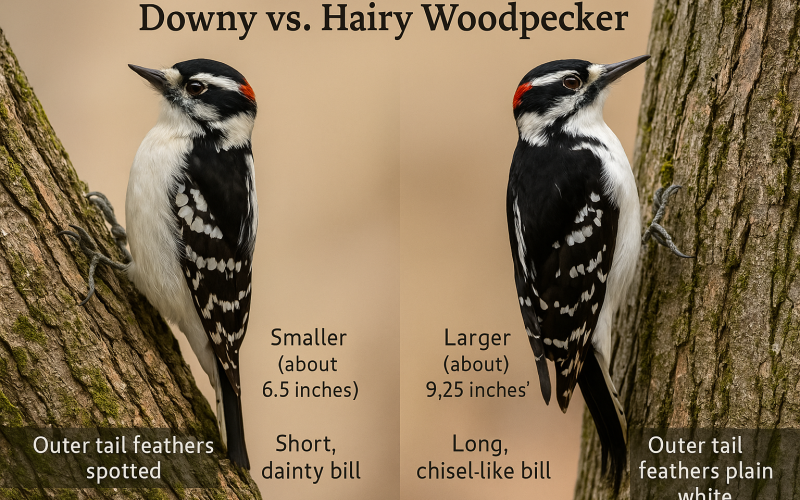
Downy vs. Hairy Woodpecker: A Tale of Two Beaks Field MarkDowny WoodpeckerHairy WoodpeckerSizeSmaller (about 6.5 inches)Larger (about 9.25 inches)BillShort, dainty bill (about ⅓ the length of the head)Long, chisel-like bill (nearly same length as head)Outer Tail FeathersUsually spotted with blackPlain white, no spotsHead MarkingsNearly identical to Hairy’s — includes red patch on malesNearly identical to Downy's — males also have red patchVoiceSofter, whiny “pik” and descending whinnySharper “peek!” and a faster, more aggressive rattleBehaviorOften found on thinner twigs, more acrobaticFavors trunks and larger branches, moves with purposeLocation PreferenceWidespread in residential areas and small treesPrefers larger woodlands and mature forestsAttitude (Unofficial)Curious…
Read More
Double-crested vs. Neotropic Cormorants IDs

Double-crested vs. Neotropic Cormorants IDs

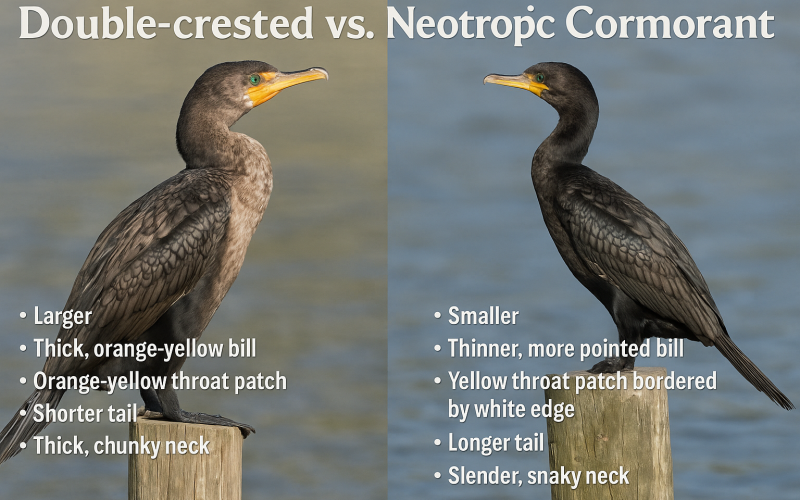
Double-crested vs. Neotropic Cormorant: The Battle of the Blackwater Birds Field MarkDouble-crested CormorantNeotropic CormorantSizeLarger (about 33 inches long)Smaller (about 25 inches long)BillThick, blunt, orange-yellow base; hooked tipThinner, more pointed bill; yellowish base with narrow borderThroat PatchOrange-yellow, smooth and roundedYellow throat patch at sharp angle often bordered by a distinct white edgeTailShorter tailLonger tail, often appears “stubby-bodied, long-tailed”NeckThick and chunkySlender, snaky neckHabitat PreferenceLakes, rivers, reservoirs – comfortable anywhere, even ugly docksPrefers quieter marshes and backwaters, but overlapsFacial FeathersDuring breeding, has short “double crests” on headLacks double crestsVoice (If you’re lucky)Deep, guttural croaks (like a grumpy drainpipe)Quieter and less vocal overallPostureUpright, slightly…
Read More